
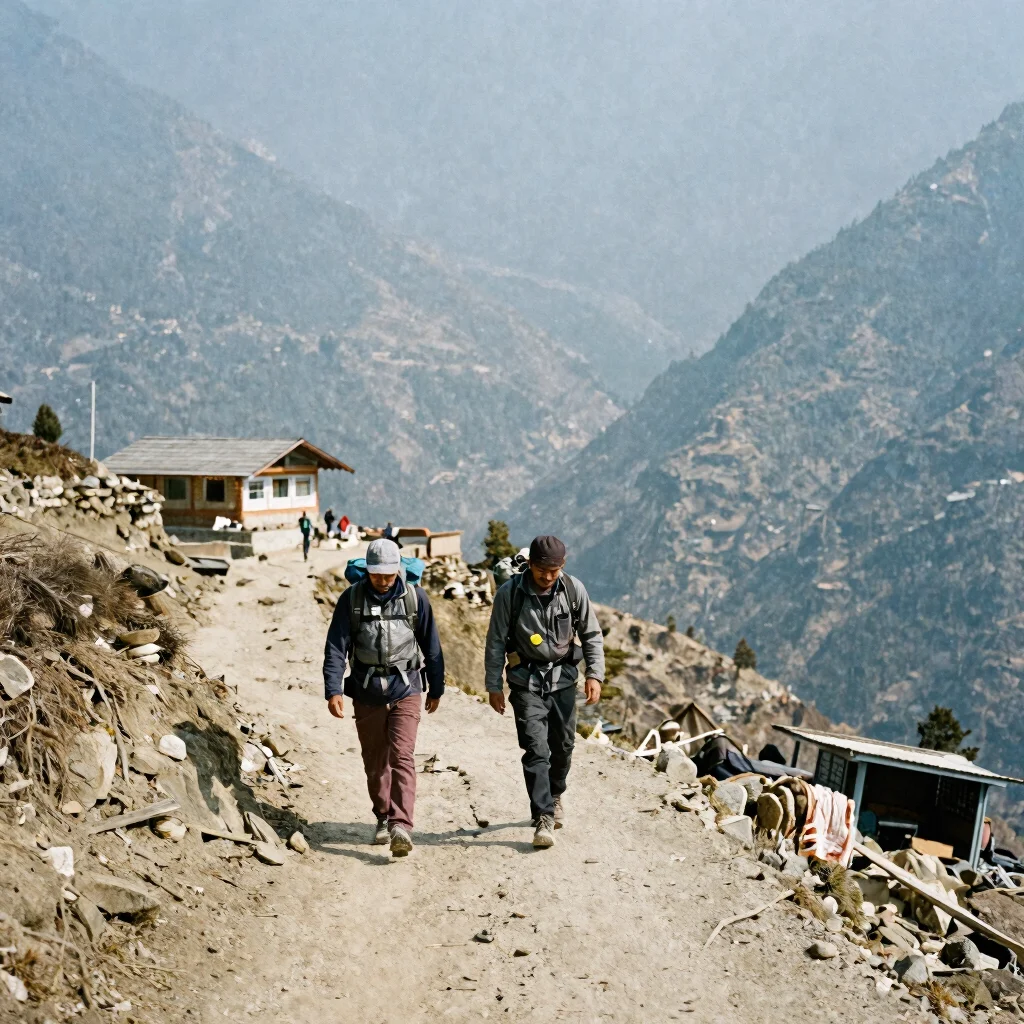
On a Nepal itinerary, a short line on the map can hide a day shaped by elevation, road conditions, or a change of transport. Planning tightly may look efficient, but it leaves little room to respond when the journey takes longer than expected. Give mountain travel its own margin instead of treating it like a routine city transfer.
Make altitude part of the plan
If your route gains significant elevation, learn about altitude and acclimatization before you go, and plan your ascent accordingly. The right pace depends on your itinerary and circumstances, so use current guidance from qualified medical or trekking sources rather than copying another traveler’s schedule. Build rest and adjustment time into the route instead of hoping to add it later.
Bring the route details to the people responsible for your transport or trek, and ask how they handle changes in conditions. A plan should account for where you can pause, how you will communicate, and what you would do if the day’s movement needs to change. If you have health concerns, seek advice from a qualified clinician before departure.
Separate route time from map distance
For each leg, check the current departure point, likely transport, and any connection you need to make. Road and trail conditions can vary by season and location, so recent, route-specific updates are more useful than a generic estimate. Avoid scheduling an important onward connection immediately after a long journey.
Keep a flexible day in the itinerary where a delay would have the least knock-on effect. That buffer can become recovery time, a weather pause, or simply an unhurried morning in Kathmandu or Pokhara before continuing. It is not wasted time; it protects the parts of the trip you care about most.
Pack for changing conditions
A light rain layer, warm layers, and footwear suited to your actual route are more useful than packing for a single imagined forecast. Check the season and local conditions for each area, since Kathmandu, the foothills, and higher routes do not share one set of conditions. Before leaving town, make sure essential documents, medication, and route information are accessible without a strong signal.